Vinetaro Drops Official Website › Blog › Chromium At 0.7 mcg
Chromium At 0.7 Micrograms: What 2% DV Actually Buys
A percentage on a label is a ratio, and a ratio can make a very small number look like a contribution. This is the clearest example in the whole category, because the arithmetic is public and the gap is a factor of several hundred.
- One seller under this product name attributes 0.7 mcg of chromium picolinate, printed as 2% of the Daily Value.
- The Daily Value for chromium is 35 mcg, so the percentage is arithmetically correct.
- 35 mcg a day is also the Adequate Intake for an adult man, which a mixed diet generally supplies without any supplement.
- The pooled trials that found any movement in glycaemic markers used amounts well above 200 mcg a day.
- 0.7 mcg is therefore about a fiftieth of an ordinary day's intake and under a three hundredth of a studied dose.
Why chromium is on almost every label in this aisle
Chromium is an essential trace mineral with a long association with glucose metabolism, which is the reason it turns up in almost everything sold for blood sugar and in a good deal of what is sold for energy.
It is also one of the very few ingredients in this category that a liquid can carry properly. Its whole intake range is measured in micrograms, so unlike the botanicals around it, there is no volume problem at all. A dropper can deliver a full day's chromium without difficulty.
Which makes the figure attributed here interesting rather than merely small. This is not a case of an ingredient that could not fit. It is a case of an ingredient that would fit easily, present at a fraction of a percent of the amount anybody has studied.
How 0.7 micrograms becomes 2%
The Institute of Medicine's reference intakes set chromium's Adequate Intake at 35 micrograms a day for men aged 19 to 50 and 25 micrograms for women in the same band. An Adequate Intake is used where the evidence is too thin to set a Recommended Dietary Allowance, and it is essentially an observed healthy intake rather than a requirement derived from a deficiency study.
The Daily Value used on labels is 35 micrograms. Divide 0.7 by 35 and the answer is 0.02, which prints as 2%. Nothing improper has happened. The label is telling the exact truth in the format it is obliged to use.
The difficulty is in how a percentage reads. Two per cent of a day's intake sounds like a contribution, and a number followed by a per cent sign anchors differently from 0.7 micrograms. Both describe the same speck.
A useful habit: convert every percentage back to a weight
Percent Daily Value exists to give scale, and it does that job well for nutrients where the Daily Value is large. For trace minerals it can work the other way. Reading the weight column first, then the percentage, is the order that keeps the sense of scale intact.
| Chromium figure | What it is | Multiple of 0.7 mcg |
|---|---|---|
| 0.7 mcg | The amount attributed to this name by one seller, printed as 2% DV | 1x |
| 35 mcg/day | The Adequate Intake for an adult man aged 19 to 50 | 50x |
| 25 mcg/day | The Adequate Intake for an adult woman in the same band | 36x |
| Above 200 mcg/day | Where the meta-analyses found glycaemic markers moved at all | Over 285x |
| Typical daily intake from food | What ordinary mixed diets supply without supplements | Tens of times over |
Daily Value for chromium is 35 mcg, which is why 0.7 mcg prints as 2%. The percentage is arithmetically correct and reads larger than the amount deserves.
What the pooled analyses actually found
Chromium has been pooled repeatedly over two decades, and the story is more interesting than either side of the marketing argument suggests.
The 2002 meta-analysis looked at glucose and insulin responses to chromium supplements and found no effect in people without diabetes. Its diabetes data were inconclusive and leaned heavily on a single large trial.
A 2014 systematic review and meta-analysis revisited the question in diabetes specifically, covering efficacy and safety together, and found improvement in glycaemic control. A 2020 meta-analysis of randomised controlled trials reported reductions in fasting glucose and HbA1c in type 2 diabetes.
The thread running through all three is the amount. These are supplemental doses, typically in the hundreds of micrograms a day, sustained over weeks or months. Not one of them tested anything resembling 0.7 micrograms, because no trial would be designed around a dose that small.
| The analysis | What it pooled | What it found |
|---|---|---|
| The 2002 meta-analysis | Randomised trials of chromium supplements against glucose and insulin responses | No effect in people without diabetes; the diabetes data were inconclusive and dominated by one large trial |
| The 2014 meta-analysis | Chromium supplementation in diabetes, efficacy and safety together | Improvement in glycaemic control at supplemental doses, with the trials concentrated well above 200 mcg a day |
| The 2020 meta-analysis | Randomised controlled trials of chromium and glycaemic control in type 2 diabetes | Reductions in fasting glucose and HbA1c, again at supplemental rather than dietary amounts |
Three pooled analyses across eighteen years. The common thread is not whether chromium does anything, it is the amount at which it might.
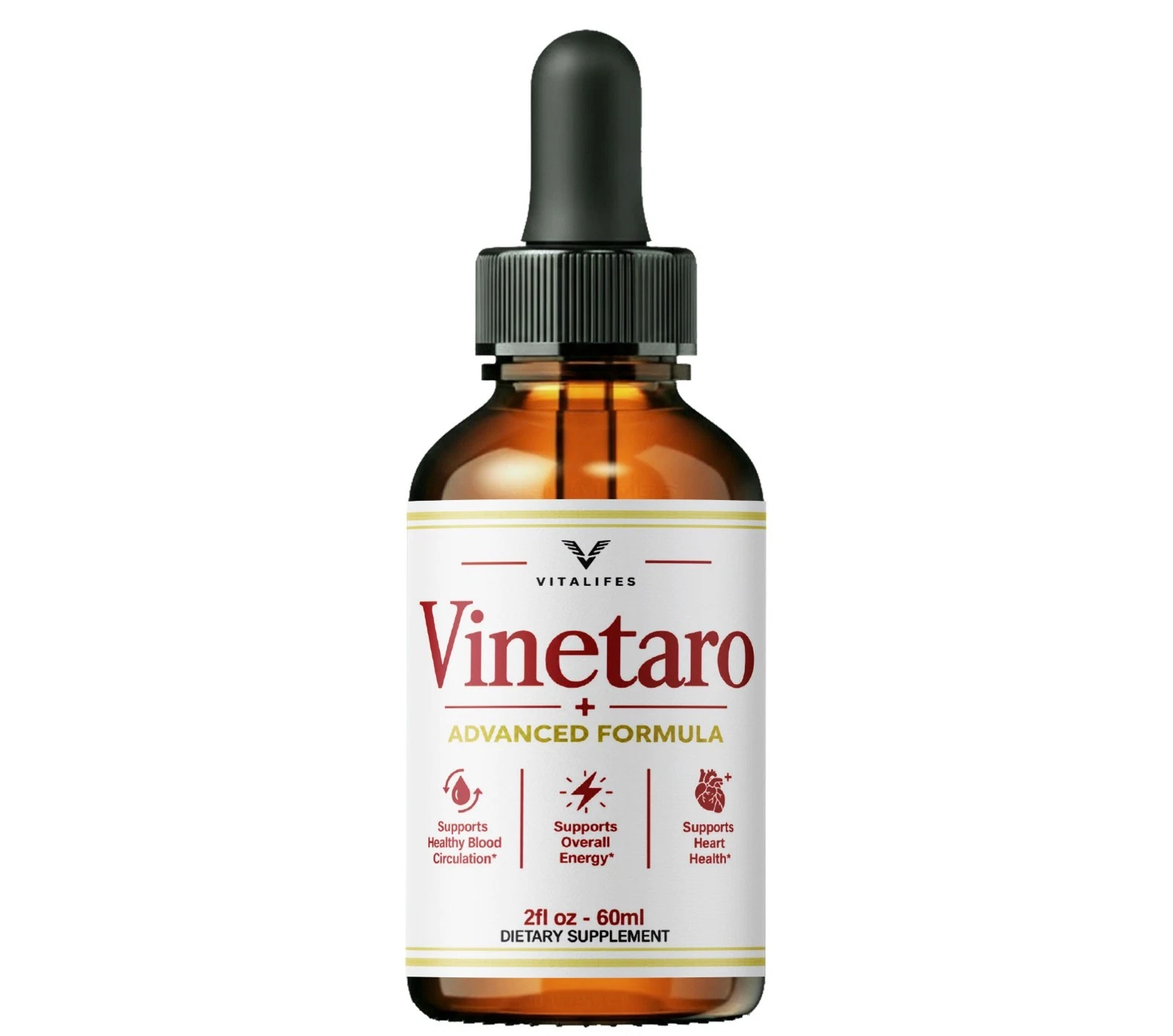
A bottle that attributes no chromium at all: Vinetaro Drops
Two drops a day after a meal, 2 fl oz (60 ml) in amber glass, and 60 days from the date of purchase.
Price shown at the seller’s checkout · 60-day money-back guarantee
Order Vinetaro Drops On The Official Website2 drops daily after a meal · 2 fl oz (60 ml) a bottle · lot VIN-26/GE-4119
Picolinate, and why the form gets named
Chromium picolinate is chromium bound to picolinic acid, and the pairing exists for absorption. Trivalent chromium on its own is poorly absorbed from the gut; the picolinate complex crosses more readily, which is why it became the standard research form and the standard supplement form.
Naming the form is a small mark in a label's favour. It tells you the manufacturer knows which compound the literature used, and it lets a reader match the ingredient to the trials rather than guess.
It does not change the arithmetic. A better-absorbed fraction of a fiftieth of a day's intake is still a fiftieth of a day's intake, and absorption cannot bridge a gap of that size.
No upper limit was ever set, and that cuts both ways
The Institute of Medicine declined to set a Tolerable Upper Intake Level for trivalent chromium, on the grounds that the evidence of harm at high intakes was too thin to fix a number to. That gets quoted as reassurance, and it is not quite reassurance: no upper limit means nobody established one, rather than that none exists.
What it does mean is that the supplemental amounts in the pooled trials, in the hundreds of micrograms a day, are not aggressive doses by the standards of the nutrient. That removes the one defence a token amount might otherwise have had, which is that a larger figure would have been reckless. It would not have been.
The fair case for a small chromium row
Three arguments exist for a token amount, and they deserve to be stated properly rather than dismissed.
Trace minerals are not vitamins. The range between an adequate intake and an unhelpful excess is narrower than people assume, and a formulator who does not know what else somebody is taking has a reason to be conservative.
Completeness has a value. A formula aiming at a whole metabolic picture may include a mineral at a small amount because leaving it out entirely would be a gap, not because the amount is doing the work.
A label that prints a small number is being honest. Printing 0.7 mcg and 2% is more transparent than folding chromium into a proprietary blend where nobody could see it. The number is small and it is visible, and visible beats invisible.
What none of those arguments supports is a product marketed on chromium at that level. The mineral can be there for completeness or it can be the reason to buy the bottle. It cannot be both at 0.7 micrograms.
- Reasonable: a small chromium row on a broad formula, printed with its weight and its percentage.
- Reasonable: a formulator being conservative with a trace mineral when the rest of somebody's intake is unknown.
- Not reasonable: chromium at 0.7 mcg carrying a glucose claim on the front of the box.
- Not reasonable: quoting the 2014 or 2020 meta-analyses next to an amount several hundred times smaller than the trials used.
What to take from this beyond chromium
The chromium row is a worked example of a habit worth having, and the habit transfers to every label in the aisle.
Read the weight before the percentage. Convert the percentage back into a weight if the label gives you only one. Then find one number from the published literature and hold the two side by side. That comparison takes under a minute and it is the whole of what a reader needs to evaluate most supplement rows.
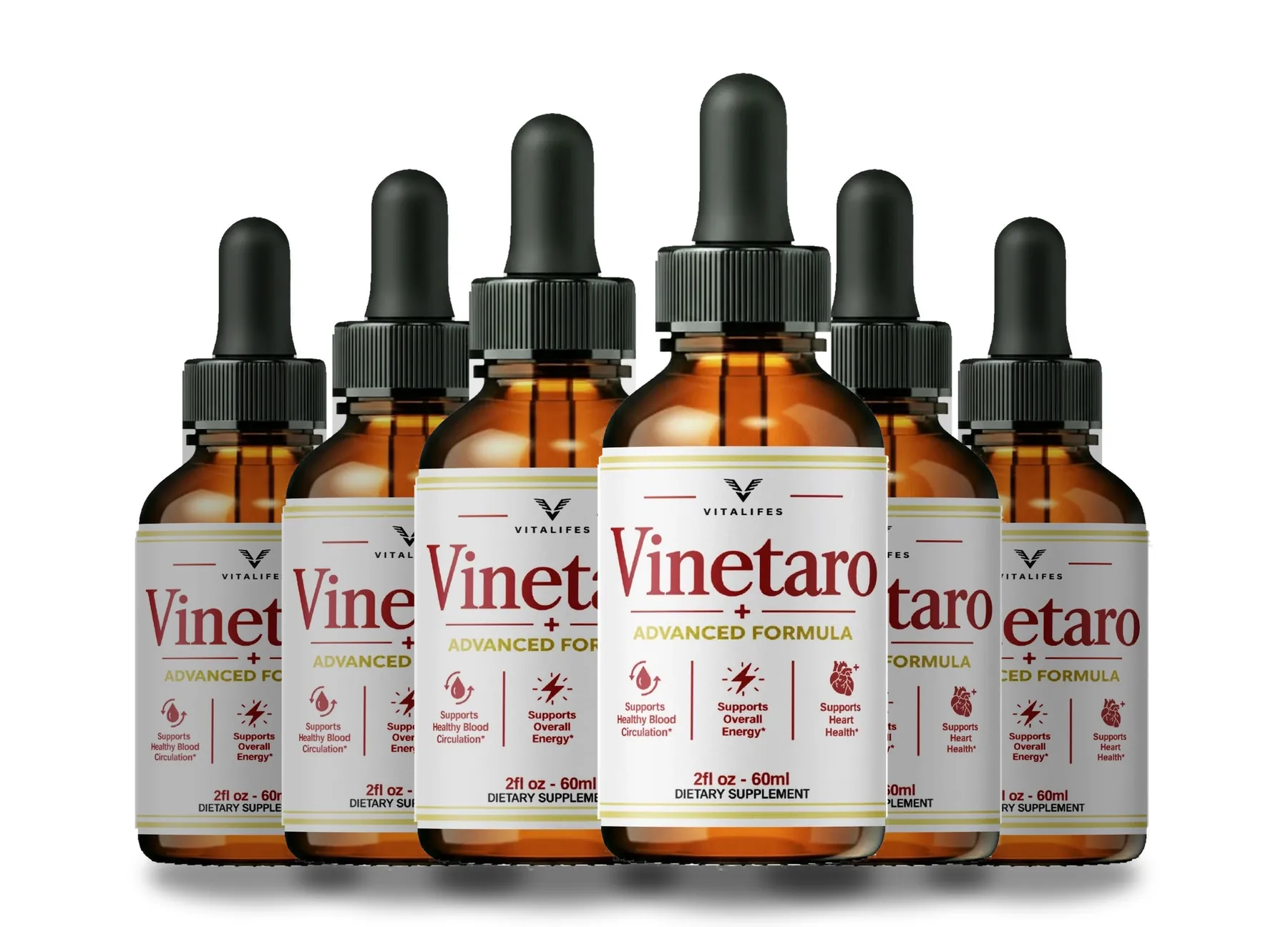
On this particular bottle the exercise cannot be run at all, because the artwork names no chromium and no anything else. The 0.7 mcg figure belongs to a website selling its own liquid under this name, and it is examined here as an instructive number rather than as a description of what is in the box.
0.7 mcg of chromium picolinate at 2% DV appears on one of the ingredient lists circulating publicly under this product name, alongside a third-party label analysis printing the same figure. It is not on this bottle's artwork, which names no ingredient at all, and this article does not treat it as though it were.
References
- Chromium. In: Dietary Reference Intakes for Vitamin A, Vitamin K, Arsenic, Boron, Chromium, Copper, Iodine, Iron, Manganese, Molybdenum, Nickel, Silicon, Vanadium, and Zinc. Institute of Medicine (US) Panel on Micronutrients. National Academies Press; 2001. Adequate Intake 35 mcg/day for men aged 19-50 and 25 mcg/day for women; no Tolerable Upper Intake Level was established. https://www.ncbi.nlm.nih.gov/books/NBK222329/
- Althuis MD, Jordan NE, Ludington EA, et al: Glucose and insulin responses to dietary chromium supplements: a meta-analysis. Am J Clin Nutr. 2002;76(1):148-55. PMID 12081828. https://pubmed.ncbi.nlm.nih.gov/12081828/
- Suksomboon N, Poolsup N, Yuwanakorn A: Systematic review and meta-analysis of the efficacy and safety of chromium supplementation in diabetes. J Clin Pharm Ther. 2014;39(3):292-306. PMID 24635480. https://pubmed.ncbi.nlm.nih.gov/24635480/
- Asbaghi O, Fatemeh N, Mahnaz RK, et al: Effects of chromium supplementation on glycemic control in patients with type 2 diabetes: a systematic review and meta-analysis of randomized controlled trials. Pharmacol Res. 2020;161:105098. PMID 32730903. https://pubmed.ncbi.nlm.nih.gov/32730903/
Order Vinetaro Drops with the label figures in proportion
Two drops a day after a meal, 2 fl oz (60 ml) in amber glass, four pack sizes and 60 days from the date of purchase.
Price shown at the seller’s checkout · 60-day money-back guarantee
Order Vinetaro Drops On The Official Website2 drops daily after a meal · 2 fl oz (60 ml) a bottle · lot VIN-26/GE-4119