Vinetaro Drops Official Website › Blog › When To Get It Looked At
Circulation Symptoms That Need An Appointment, Not A Dropper
This is the article on this website that costs the product the most, and it is here for that reason. Several circulation symptoms have a short, ordinary assessment behind them, and a supplement is not a substitute for one.
- Leg pain that arrives on walking and stops on resting is a recognised pattern with a standard assessment behind it.
- A difference between one leg and the other is more informative than a symptom in both, and it is worth mentioning specifically.
- A wound below the knee that has not healed in two weeks is reporting on blood supply rather than on wound care.
- Sudden one-sided calf swelling, chest pain on exertion, and any new numbness or speech trouble are same-day or emergency situations.
- Take the actual bottles to the appointment. A product whose ingredients are not printed is the hardest kind to account for.
Why a retailer publishes this
There is an obvious objection to a supplement seller writing this article, and it is worth meeting rather than ignoring: every reader who acts on it is a reader who buys nothing today.
The answer is that the alternative is worse in both directions. A person who spends four months on a dropper while a treatable narrowing goes unassessed has lost four months, and a website that let that happen has done real harm for a sixty-dollar order. There is no version of this business worth running on those terms.
It also happens to be the only position that makes the rest of the site credible. A website that never says buy nothing has not earned any weight when it says buy this.
Six things that want looking at
The list is short on purpose. Each row is something a person notices for themselves without any equipment, and each one has a reason for being here.
| What you notice | Why it is on this list | How soon |
|---|---|---|
| Calf, thigh or buttock pain that comes on walking and goes when you stop | The textbook pattern of intermittent claudication, and the one that is most often put down to age for years before anybody measures it | Book an appointment. It is a standard assessment, not an emergency |
| One foot that is cold, pale or a different colour from the other | A difference between two limbs points somewhere specific in a way that a symptom in both does not | Soon, and sooner if it came on quickly |
| A cut, blister or ulcer below the knee that has not closed in a fortnight | Healing needs blood supply. A wound that will not close is reporting on the supply | Soon, and treat it as urgent if there is any redness spreading |
| Sudden swelling, warmth and pain in one calf | The presentation a clot in a deep vein produces, which is a different problem from arterial narrowing and is time-critical | Same day, urgently |
| Chest pain or tightness on exertion, or new breathlessness | Not a peripheral circulation question at all, and not one any supplement aisle should be asked to handle | Emergency assessment |
| New numbness, weakness or trouble speaking, even briefly | Time-critical whatever the cause, and brief episodes are the warning rather than the all-clear | Emergency services immediately |
Written to be read once and remembered. Nothing on this list is subtle, and none of it is improved by a dropper.
Sudden one-sided calf swelling, chest pain or tightness on exertion, and new numbness or difficulty speaking belong to a different conversation entirely. They are on this page because somebody researching circulation supplements may be experiencing one of them and framing it as a circulation problem to be solved on a shelf.
The one that gets ignored longest
Of the six, the first is the one most likely to go unexamined for years, and it is worth its own section for that reason.
The pattern is specific. Pain, cramp or heaviness in the calf, thigh or buttock that comes on after a fairly predictable distance, gets worse if you keep going, and settles within a few minutes of stopping. The predictability is the giveaway: the same distance produces the same symptom, because the muscle's demand has outrun its supply at the same point.
It is easy to explain away. People attribute it to age, to weight, to being out of condition, to a knee that was never right, and they adjust by walking less. The adjustment removes the symptom and leaves the cause, which is why it can run for years before it is measured.
It is also straightforward to assess, which is the part worth knowing. The usual first measurement is an ankle-brachial index: a blood pressure cuff at the ankle compared with one at the arm. It takes a few minutes, uses no needles and no scanner, and produces a number rather than an impression.
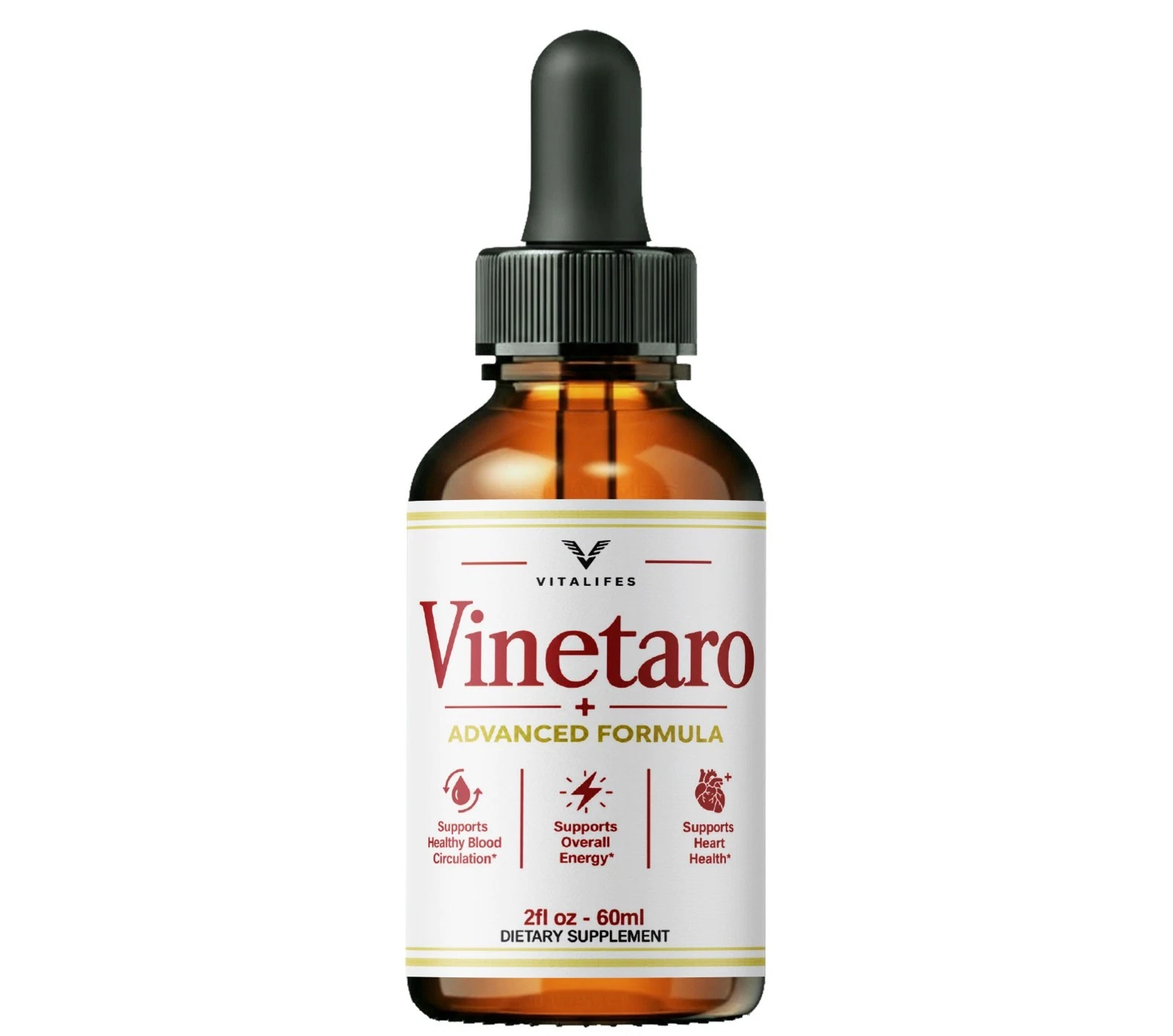
If you have already had it looked at, here is the bottle: Vinetaro Drops
Two drops a day after a meal, 2 fl oz (60 ml) in amber glass, and 60 days from the date of purchase to change your mind.
Price shown at the seller’s checkout · 60-day money-back guarantee
Order Vinetaro Drops On The Official Website2 drops daily after a meal · 2 fl oz (60 ml) a bottle · lot VIN-26/GE-4119
What an assessment usually involves
People put off appointments partly because they do not know what will happen in one. For leg symptoms the answer is usually undramatic.
| What you might be asked | Why | What to bring |
|---|---|---|
| When it started and what brings it on | Exertion-related and constant symptoms point in different directions | A rough date and the distance or activity that triggers it |
| Whether it affects one side or both | Asymmetry is the most useful single fact in a circulation history | Whether you have noticed a difference between the two legs |
| Smoking, diabetes, blood pressure and cholesterol history | These are the factors that change what the assessment looks for | Your own history, and the family one if you know it |
| Everything you take | Including supplements, which are the items most often left out | The actual bottles, or photographs of them. This is where a missing ingredient panel becomes a practical problem rather than a theoretical one |
An ankle-brachial index is the usual first measurement for leg symptoms: blood pressure at the ankle compared with the arm, done with a cuff and a small probe.
Pulses are felt at the ankle and the foot. The two legs are compared for temperature, colour, hair growth and skin condition. If an ankle-brachial index is done, the cuff comparison gives a ratio that is interpreted on the spot.
Bloods are common, because the things that narrow arteries tend to travel together. The MedlinePlus overview of diabetes is a reasonable plain-English starting point for one of the reasons why, since circulation and glucose problems share most of their risk factors and are often assessed in the same visit.
What to say about supplements in the room
Supplements are the category most often left out of a medication list, partly because people do not think of them as medicines and partly because nobody asks directly.
Bring the actual containers, or photographs of them. A name is not enough, because two products with similar names can contain entirely different things, and a photograph of the back label answers in one glance what five minutes of description will not.
This is where a product with no printed ingredient panel becomes a practical problem rather than a theoretical one. A clinician can screen a printed list against a prescription in seconds. Handed a bottle with no list, they have nothing to screen, and the honest answer they can give is correspondingly thinner. The NCCIH guidance on using supplements wisely is worth reading before the appointment rather than after it.
The three medicines that change the answer
Three categories turn a general caution into a specific one, and they are worth naming precisely rather than hedging around.
Anticoagulants and antiplatelets. A controlled trial of ginseng with warfarin measured a reduced warfarin effect, which is the documented case rather than a theoretical one. The Cochrane review of ginkgo for claudication is relevant for a second reason: it found no convincing benefit on walking distance, so the trade of an unknown interaction for an unproven benefit is a poor one.
Blood pressure medicines. Several circulation ingredients lower pressure a little, which adds to what a prescription is already doing. The mirror image is liquorice, and a 2023 review of liquorice toxicity sets out how ordinary intakes raise pressure and retain sodium.
Anything with a narrow therapeutic window. Transplant immunosuppressants, lithium and some anti-epileptics fail in both directions if their level shifts. A 2025 review of food, herb and drug interactions covers the mechanisms, and the practical rule is simple: on any of those, nothing new gets added without asking first.
Where a supplement fits afterwards
The argument of this article is about order, not about prohibition.
Once symptoms have been assessed, the picture changes completely. A person who has had the measurement, knows what it showed, and has discussed what they are taking is in a position to make a decision about a supplement on the merits. That is an informed choice, and it is the only kind this website is interested in.
A person who has not is making a different decision without realising it: choosing a dropper instead of an assessment, on the basis of a bottle that claims to support circulation and makes no claim about anything a measurement would find.
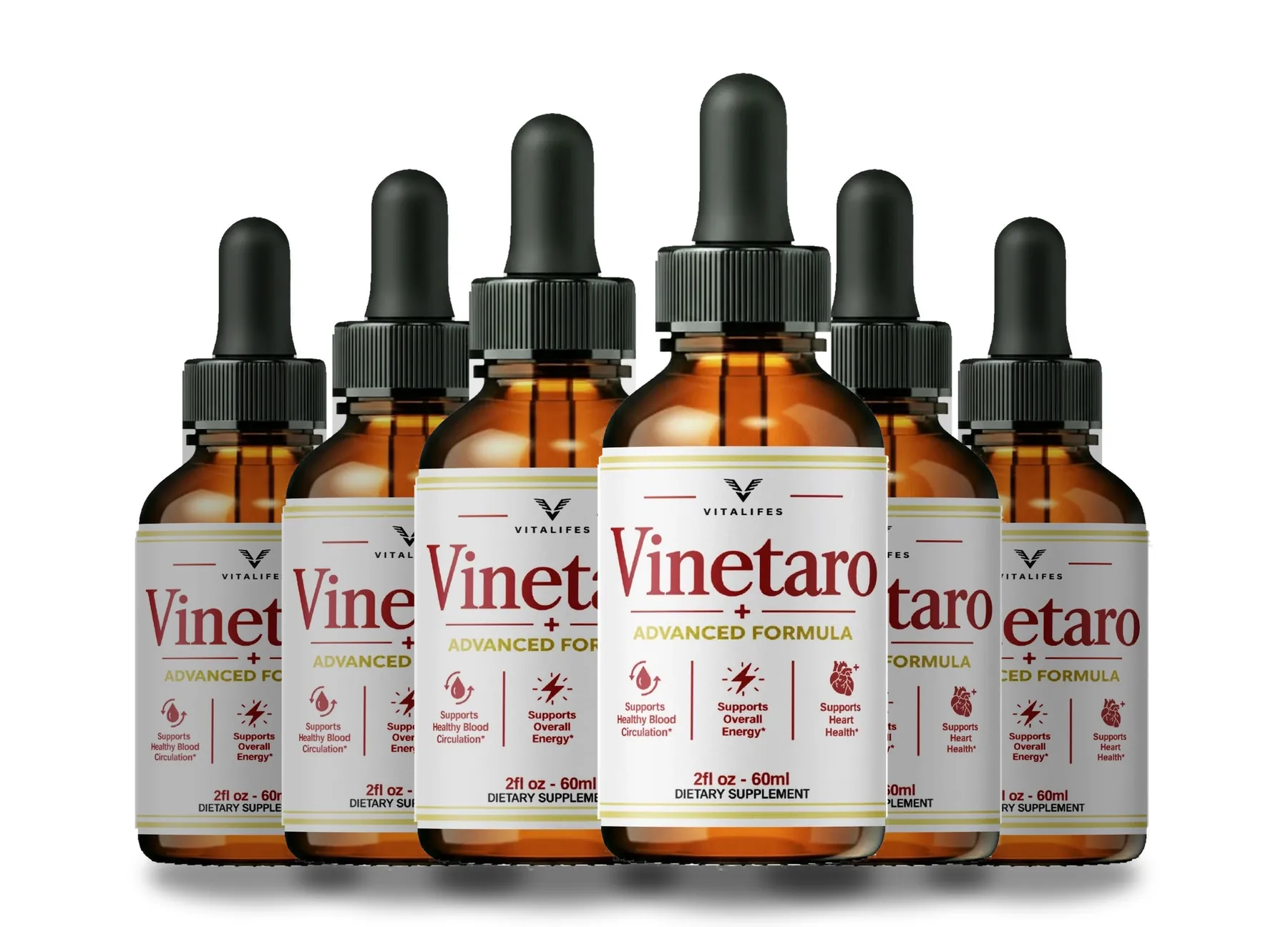
The three phrases on this bottle are healthy blood circulation, overall energy and heart health, each one starred and pointing at the agency disclaimer. That is the ceiling on what it is sold to do, and a ceiling is a useful thing to read before deciding what a symptom needs.
References
- Nicolaï SP, Kruidenier LM, Bendermacher BL, et al: Ginkgo biloba for intermittent claudication. Cochrane Database Syst Rev. 2013;2013(6):CD006888. PMID 23744597. https://pubmed.ncbi.nlm.nih.gov/23744597/
- Yuan CS, Wei G, Dey L, et al: Brief communication: American ginseng reduces warfarin's effect in healthy patients: a randomized, controlled trial. Ann Intern Med. 2004;141(1):23-7. PMID 15238367. https://pubmed.ncbi.nlm.nih.gov/15238367/
- Ceccuzzi G, Rapino A, Perna B, et al: Liquorice toxicity: a comprehensive narrative review. Nutrients. 2023;15(18):3866. 104 case reports of hypertension and hypokalaemia from excess intake. PMID 37764649. https://pubmed.ncbi.nlm.nih.gov/37764649/
- Using Dietary Supplements Wisely. National Center for Complementary and Integrative Health, National Institutes of Health. https://www.nccih.nih.gov/health/using-dietary-supplements-wisely
- Bukowska B, Grzegorowska A, Szczerkowska-Majchrzak E, et al: Hazardous interactions between food, herbs, and drugs in the first stage of biotransformation: case reports of adverse drug interactions in humans. Int J Mol Sci. 2025;26(11):5077. PMID 40507996. https://pubmed.ncbi.nlm.nih.gov/40507996/
- Diabetes. MedlinePlus, U.S. National Library of Medicine. https://medlineplus.gov/diabetes.html
Order Vinetaro Drops once you have had it looked at
Two drops a day after a meal, 2 fl oz (60 ml) in amber glass, four pack sizes and 60 days from the date of purchase.
Price shown at the seller’s checkout · 60-day money-back guarantee
Order Vinetaro Drops On The Official Website2 drops daily after a meal · 2 fl oz (60 ml) a bottle · lot VIN-26/GE-4119