Vinetaro Drops Official Website › Blog › Panax Ginseng And Warfarin
Panax Ginseng: The 0.31 mmol/L Result And The Warfarin Question
Panax ginseng shows up inside the 200 mg proprietary blend on two of the four Vinetaro ingredient lists collected on the ingredients page, with no milligram figure of its own. Two questions follow from that: what does the pooled trial evidence say ginseng actually does to blood glucose, and is there a reason someone on a blood thinner should care about a plant they cannot see a dose for. Both have answers with real numbers behind them.
- Two of the four Vinetaro-linked ingredient lists name Panax ginseng, both inside a 200 mg proprietary blend with no weight given to any single member.
- A 2014 meta-analysis pooling sixteen randomised trials found ginseng lowered fasting blood glucose by 0.31 mmol/L against control — a real, modest, statistically significant effect.
- The same pooled analysis found no significant effect on fasting insulin, HbA1c or insulin resistance overall.
- A 2025 review of four clinical decision databases found ginseng was the only medicinal plant every single one flagged as interacting with warfarin — though the databases disagreed about which direction the interaction runs.
- That warning applies to ginseng as an ingredient, at any traceable dose. A blend that does not disclose a milligram figure removes the one piece of information a warfarin patient would need to act on it.
Where ginseng sits on the Vinetaro lists
The ingredients page on this website prints, in full, what four different sources say is inside a bottle sold under the Vinetaro name, collected on one afternoon so the dates match. Panax ginseng aerial extract appears on the vinetaros.com list, one of five names inside its 200 mg proprietary blend. It is not named on the other vendor pages or the third-party label analysis, which instead lean on gymnema, banaba, bitter melon, cinnamon and chromium.
In every place it does appear, ginseng is a member of a blend rather than a standalone line, which means no source anywhere gives it a milligram figure of its own. That single fact shapes everything below: the trial evidence exists and is worth reading honestly, but it cannot be compared against a number this product does not print.
| Where it was read | Names Panax ginseng? | Amount given |
|---|---|---|
| The bottle in this pack | No ingredient at all | Not applicable |
| vinetaros.com | Yes, inside a 200 mg blend with gymnema, African mango, green tea and maca | No amount against any single member |
| vinetaro.us and vinetaro-us.com | No | Not applicable |
| Third-party label analysis | Not named separately from a 22-member 200 mg blend | No amount against any single one |
Read 19 September 2026 and printed in full on the ingredients page. Only one of the four rows names ginseng at all.
Panax, and why the species matters
Panax ginseng, sometimes called Korean or Asian ginseng, is one of roughly a dozen species in the genus Panax, and it is not the same plant as Siberian ginseng (Eleutherococcus senticosus, a different genus entirely) or American ginseng (Panax quinquefolius, a close relative with a different chemical profile). The active compounds most studied are ginsenosides, a family of steroidal saponins whose concentration and ratio vary by species, growing region, root age and processing — red ginseng, which is steamed, and white ginseng, which is dried, are chemically different preparations of the same root.
That variability matters for the same reason it mattered for hawthorn on the sister site to this one: a plant name alone tells a reader the genus and not the preparation, and the preparation is most of what a trial result is actually testing.
What sixteen pooled trials found on glucose
A 2014 systematic review and meta-analysis in PLoS One searched MEDLINE, EMBASE, CINAHL and the Cochrane Library through mid-2013 for randomised controlled trials of at least 30 days, assessing ginseng’s glycaemic effects in people with and without diabetes. Sixteen trials qualified, contributing 16 fasting-glucose comparisons across 770 participants, along with smaller pools for insulin, HbA1c and insulin resistance.
The headline result: ginseng significantly reduced fasting blood glucose compared with control, by a mean difference of 0.31 mmol/L (95% CI −0.59 to −0.03, P = 0.03). That is a real, statistically significant effect, and it is also a small one — roughly 5.6 mg/dL in the units more familiar in the United States, which is a modest movement against a normal fasting range of roughly 70 to 99 mg/dL (3.9 to 5.5 mmol/L).
| Measure | Trials pooled | Participants | Result |
|---|---|---|---|
| Fasting blood glucose | 16 | 770 | −0.31 mmol/L vs. control (95% CI −0.59 to −0.03), P = 0.03 |
| Fasting plasma insulin | 10 | 349 | No significant effect |
| Glycated haemoglobin (HbA1c) | 9 | 264 | No significant overall effect; parallel-design trials alone showed −0.22% (95% CI 0.06 to 0.37) |
| HOMA insulin resistance | 7 | 305 | No significant effect |
Figures from the 2014 PLoS One meta-analysis. The review authors themselves describe the fasting-glucose effect as modest and call for larger, longer trials using standardised preparations.
What the same pooling did not find
It would misrepresent this analysis to report only the glucose figure and stop. The same review found no significant pooled effect on fasting insulin or on HOMA insulin resistance, and the HbA1c effect only reached significance in a subgroup of parallel-design trials, not across the full pooled set. The authors also flagged that most trials were short — 67% ran under twelve weeks — and enrolled people whose glycaemic control was already reasonably good, with a median HbA1c around 7.1% in the diabetic trials and 5.4% in the non-diabetic ones.
Put plainly: this is evidence of a small, real effect on one glucose measure, not evidence of a broad metabolic transformation. The review’s own conclusion calls the improvement “modest yet significant” and explicitly asks for better trials before treating the finding as settled. That is the standard this website tries to apply to every ingredient it writes about, and ginseng is a case where the honest reading is neither dismissal nor overstatement.
Read the label arithmetic before ordering Vinetaro Drops
Two drops a day after a meal, 2 fl oz (60 ml) in amber glass, four pack sizes and 60 days from the date of purchase to change your mind.
Price shown at the seller’s checkout · 60-day money-back guarantee
Order Vinetaro Drops On The Official Website2 drops daily after a meal · 2 fl oz (60 ml) a bottle · lot VIN-26/GE-4119
The warfarin question
The oldest documented account of a ginseng–warfarin interaction is a single case report: a 1997 case in the American Journal of Health-System Pharmacy describing a probable interaction in which a patient stabilised on warfarin saw their anticoagulant effect change while taking ginseng. A single case report is not proof of a mechanism or a reliable estimate of how often this happens — case reports exist precisely to flag a signal worth investigating further, not to close the question — but it is the origin point of a warning that has persisted in drug references for almost three decades.
That persistence is unusual. Most single case reports from the 1990s do not still appear in 2025-era interaction checkers, and the fact this one does is itself informative about how seriously prescribers have treated it.
Why four databases agree on the plant and disagree on the direction
A 2025 cross-sectional study checked how four major clinical decision resources — UpToDate, ClinicalKey, DynaMed and DrugBank — report interactions between warfarin and 141 medicinal plants drawn from the World Health Organization’s Phytotherapy Manual. Of those 141 plants, 28 were flagged by at least one database. Only one plant was flagged by all four: Panax ginseng.
The same study found the four databases disagreed about which direction the interaction runs — whether ginseng increases or decreases warfarin’s anticoagulant effect — even while agreeing that an interaction exists. That disagreement is worth sitting with rather than glossing over: it means the mechanism is not fully settled, but the existence of a real interaction risk is about as close to a consensus finding as this literature offers for any single botanical.
The glucose effect above is a modest, moderately-well-evidenced result from pooled randomised trials. The warfarin interaction is a differently-shaped finding: a persistent, cross-database consensus that a risk exists, built on weaker individual evidence (a single old case report, unclear mechanism, disputed direction) but reinforced by every major reference agreeing it is real enough to flag. Both are honest readings of the same ingredient; neither should be collapsed into the other.
The energy claim, and why ginseng does not answer it here
One of the three phrases printed on the Vinetaro bottle is “Supports Overall Energy,” and ginseng is one of the plants most often reached for when a formula needs to justify an energy claim. It is frequently described as an adaptogen, a loosely defined category of botanicals proposed to help the body resist general stress, though adaptogen is a marketing and traditional-use term rather than a regulatory or pharmacological classification with a fixed clinical definition.
The trial evidence reviewed above speaks to glucose, not to energy or fatigue directly, and the 2014 meta-analysis does not report on subjective energy or vitality outcomes at all. That gap matters here specifically: even a reader who accepts the glucose finding at face value should not extend it, on the strength of this article, to the separate claim the bottle actually prints on its face. A plant can have real evidence behind one outcome and no comparable evidence behind an adjacent one, and treating the two as interchangeable is exactly the kind of substitution this website tries not to make.
What this means for a Vinetaro Drops bottle specifically
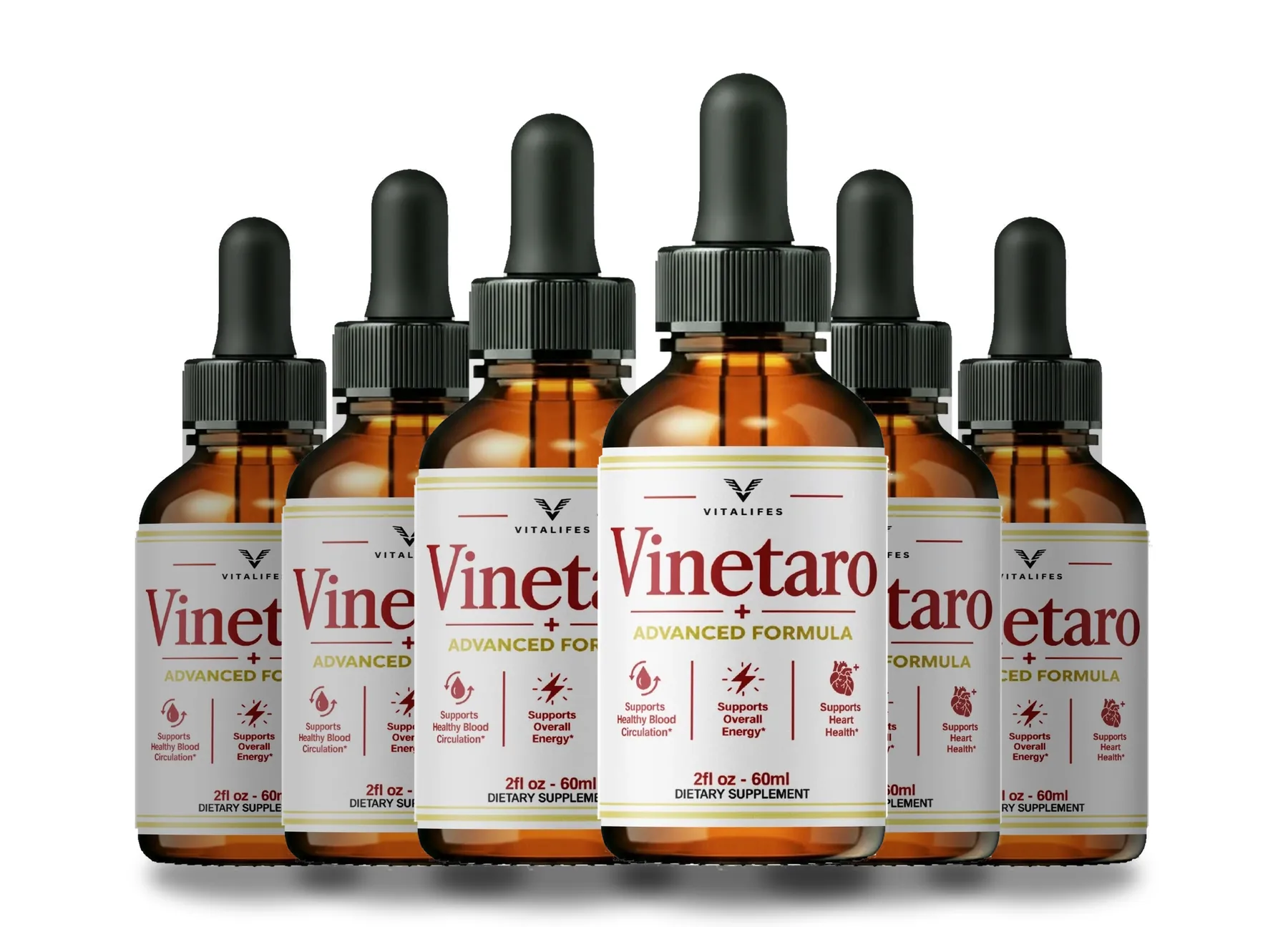
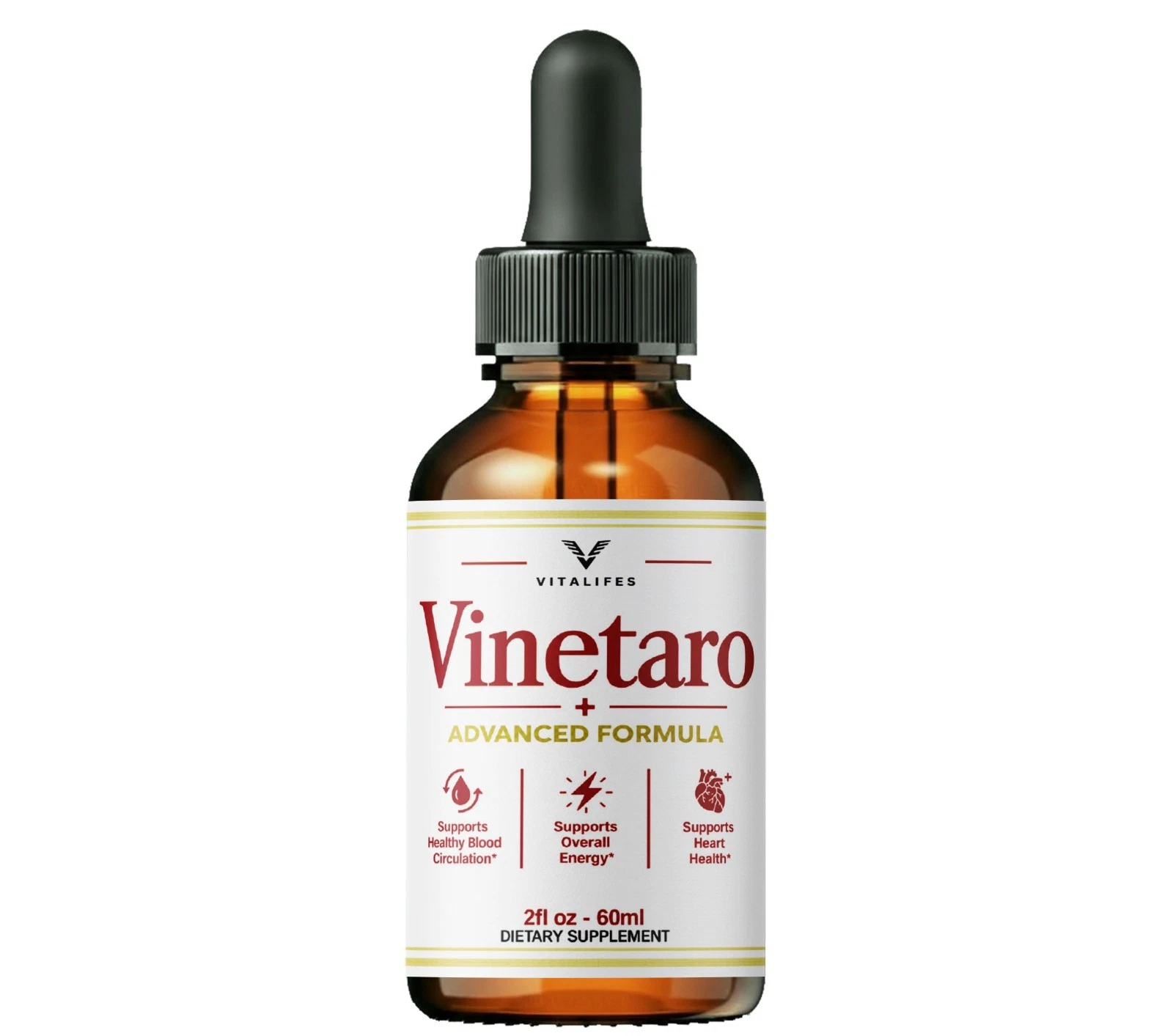
The bottle in this pack names no ingredient, so none of the above can be applied to it directly — not the glucose result, and not the warfarin warning. What can be said is narrower and more useful: if a formula sold under the Vinetaro name does contain Panax ginseng, as one of the four vendor lists claims, then two questions become relevant regardless of the dose — and the fact the dose is undisclosed is itself the problem, not a detail to work around.
- Anyone on warfarin or another anticoagulant has a specific reason to ask a seller directly whether a product contains ginseng in any amount, rather than relying on this or any other website’s summary of what other pages claim.
- Anyone comparing the glucose evidence against a blend cannot do so meaningfully without a milligram figure, since the trials pooled above used doses the review does not reduce to one number, and no vendor page states what portion of a 200 mg blend ginseng occupies.
The JAMA Network Open analysis of FDA supplement warnings is a reminder that undisclosed or mismatched contents are a documented category of real-world problem in this trade, not a hypothetical one. The NCCIH guidance on using dietary supplements wisely is the right next page for anyone taking a prescription medicine and weighing whether to add a botanical supplement on top of it.
References
- Shishtar E, Sievenpiper JL, Djedovic V, et al. The effect of ginseng (the genus panax) on glycemic control: a systematic review and meta-analysis of randomized controlled clinical trials. PLoS One. 2014;9(9):e107391. PMID 25265315. https://pubmed.ncbi.nlm.nih.gov/25265315/
- Janetzky K, Morreale AP. Probable interaction between warfarin and ginseng. Am J Health Syst Pharm. 1997;54(6):692-3. PMID 9075501. https://pubmed.ncbi.nlm.nih.gov/9075501/
- Uribe-Cavero LJ, Vera-Maccha PJ, Siguas-Huasasquiche A, Bohorquez-Espino EE, Taype-Rondan A. Inconsistent Reporting of Interactions Between Warfarin and Medicinal Plants Across Clinical Decision Support Resources. J Evid Based Integr Med. 2025;30:2515690X251334445. PMID 40255042. https://pubmed.ncbi.nlm.nih.gov/40255042/
- Tucker J, Fischer T, Upjohn L, et al. Unapproved pharmaceutical ingredients included in dietary supplements associated with US Food and Drug Administration warnings. JAMA Netw Open. 2018;1(6):e183337. PMID 30646238. https://pubmed.ncbi.nlm.nih.gov/30646238/
- Using Dietary Supplements Wisely. National Center for Complementary and Integrative Health, National Institutes of Health. https://www.nccih.nih.gov/health/using-dietary-supplements-wisely
Order Vinetaro Drops knowing exactly what the label tells you
Two drops a day after a meal, 2 fl oz (60 ml) in amber glass, four pack sizes and 60 days from the date of purchase.
Price shown at the seller’s checkout · 60-day money-back guarantee
Order Vinetaro Drops On The Official Website2 drops daily after a meal · 2 fl oz (60 ml) a bottle · lot VIN-26/GE-4119