Vinetaro Drops Official Website › Blog › Gymnema At 600 Mg
Gymnema Sylvestre At 600 Milligrams: The One Name Every List Shares
Four different websites sell a formula under the Vinetaro name, and three of those pages, plus a third-party label write-up, were read on the same afternoon and printed in full on the ingredients page. They disagree about almost everything — the serving size, whether chromium gets a number, whether the blend runs to five plants or twenty-two. The one name every single one of them repeats is gymnema. That makes it worth asking what a dose of gymnema actually has to look like before it does anything measurable, and how that compares with the 200 mg ceiling the largest of those blends claims for its entire ingredient list.
- All four Vinetaro ingredient lists collected on the ingredients page name gymnema sylvestre. No other botanical appears on every one of them.
- Two of those four give it no weight at all. The other two give the whole blend a combined 200 mg ceiling, shared across five or twenty-two ingredients.
- Two placebo-controlled trials out of the same Guadalajara research group gave gymnema at 300 mg twice daily — 600 mg a day total — for weeks at a time.
- That is three times the entire weight of the largest blend attributed to this product, allotted to one ingredient alone.
- Named-with-no-amount and named-at-an-impossible-amount are two different failure modes, and gymnema on a Vinetaro list is usually the first one.
What the four lists actually agree on
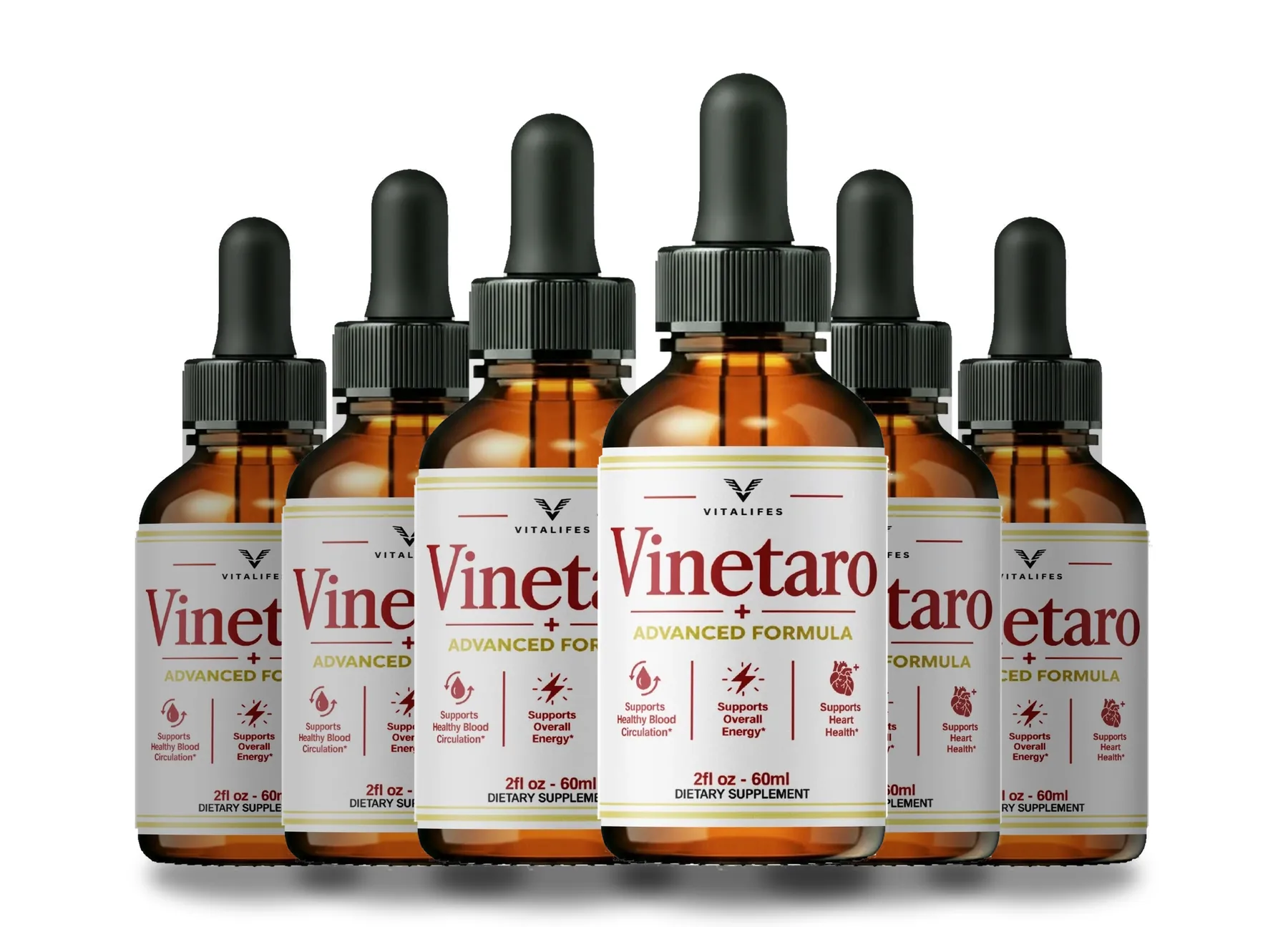
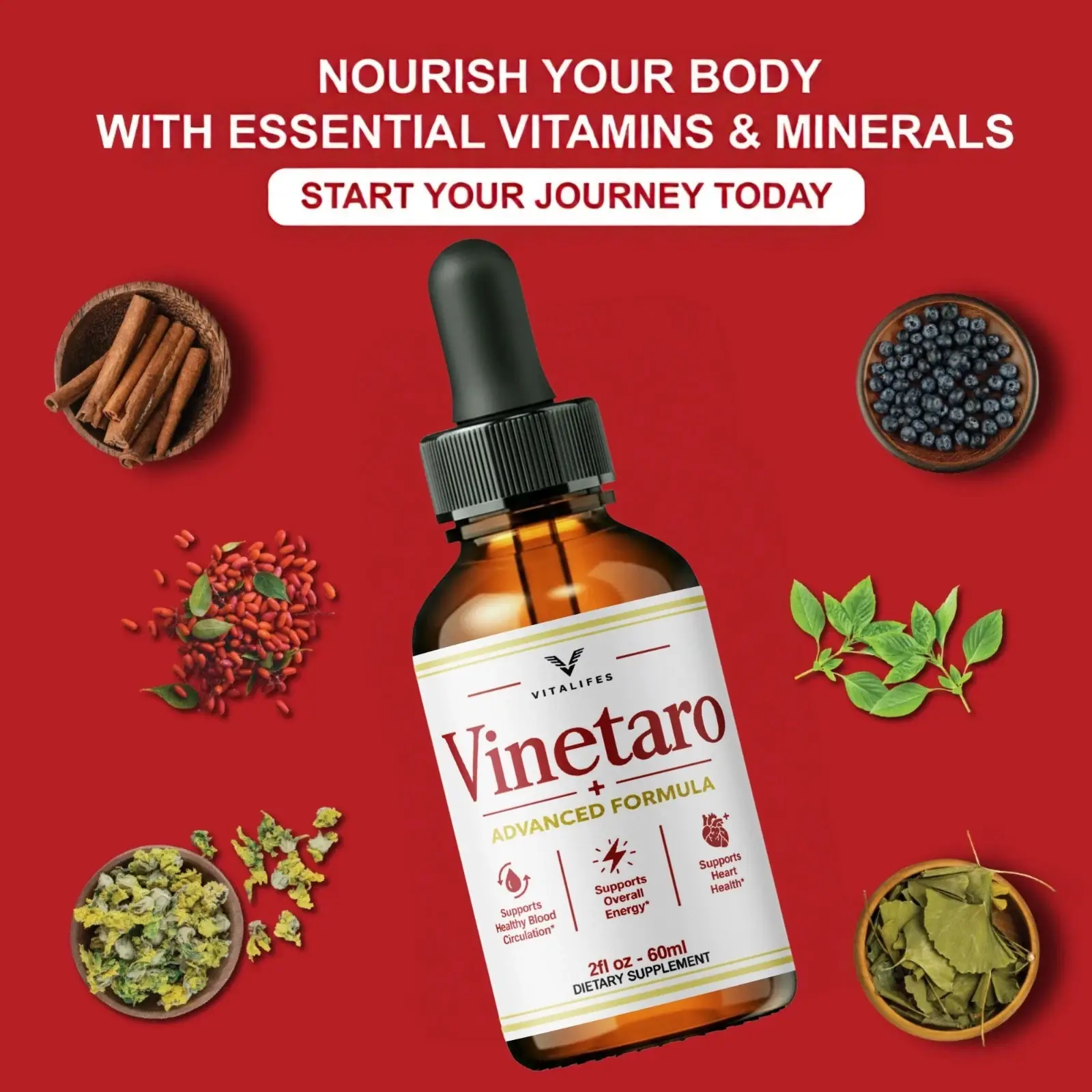
The ingredients page on this website lays out, in full and with the date each was read, what four different sources say is inside a bottle sold under the Vinetaro name. The bottle in this pack is one of those four rows, and it names nothing. The other three come from vinetaros.com, from vinetaro.us and vinetaro-us.com together, and from a third-party label analysis none of these sellers produced.
Strip those three lists down to the names they share and the overlap is exactly two: chromium, which gets a figure on two of the three (0.7 mcg, printed as 2% of a Daily Value), and gymnema sylvestre, which is named by all three, weighed by none. That second fact is the one this article is about. A single botanical surviving three independent, contradictory ingredient lists is a stronger signal than most of what circulates about this product, and it is worth treating that signal fairly — which means asking what a working dose of it looks like before assuming a Vinetaro bottle could plausibly carry one.
| Where it was read | Does it name gymnema? | Amount given |
|---|---|---|
| The bottle in this pack | No ingredient at all | Not applicable |
| vinetaros.com | Yes, inside a 200 mg proprietary blend | No amount against any single member |
| vinetaro.us and vinetaro-us.com | Yes, first on the list | No amount against any name |
| Third-party label analysis | Not separately named; folded into a 200 mg blend of twenty-two components | No amount against any single one |
All four rows read on 19 September 2026 and printed in full on the ingredients page. None gives gymnema a milligram figure of its own.
Gurmar, the sugar-blunting leaf
Gymnema sylvestre is a woody climbing vine native to the tropical forests of India, Africa and Australia. Its common Hindi name, gurmar, translates roughly to “sugar destroyer,” a reputation that comes from a genuinely strange property: chewing the fresh leaf briefly blocks the tongue’s ability to taste sweetness, an effect traced to gymnemic acids that bind sweet-taste receptors on the tongue. That parlour trick is not the reason it is studied for metabolic health, but it is the reason the plant was noticed in the first place, centuries before anyone ran a trial on it.
The active constituents most often credited with a metabolic effect are the gymnemic acids themselves, a family of triterpene saponins, though the mechanism proposed in the human trials below is not the tongue effect. It involves the gut and the pancreas rather than the palate: proposed actions include slowed glucose absorption in the intestine and support for insulin-producing cells, though human evidence for either mechanism specifically is thinner than the evidence for the clinical outcomes themselves.
Two trials, one dose: 300 mg twice daily
The clearest human evidence for gymnema sylvestre in this category comes from two placebo-controlled trials run by the same research group at the University of Guadalajara, published four years apart in the same journal.
The first, in 2017, randomised 24 adults with metabolic syndrome to gymnema sylvestre or placebo, 300 mg twice daily before breakfast and dinner — 600 mg a day — for 12 weeks. The second, in 2021, used the identical 300 mg twice-daily dose in 30 adults with impaired glucose tolerance, a pre-diabetes classification.
The repetition matters. When the same dose from the same manufacturer’s capsule shows up twice, in two different populations, from one group willing to publish a null result on some measures alongside a positive one on others, that is a more trustworthy pattern than a single trial with a striking headline. Neither paper is a mega-trial — 24 and 30 participants respectively are modest sample sizes — but the dose itself is not in dispute between them.
| Trial | Who | Dose | Duration |
|---|---|---|---|
| Zuñiga et al., 2017 | 24 adults with metabolic syndrome | 300 mg twice daily (600 mg/day) | 12 weeks |
| Gaytán Martínez et al., 2021 | 30 adults with impaired glucose tolerance | 300 mg twice daily (600 mg/day) | Not stated in the retrieved abstract |
Both trials, same research group, same twice-daily 300 mg capsule. Neither used anything close to a milligram figure a 200 mg blend could hold.
What each trial measured, and what moved
It is worth being specific about outcomes, because the two trials did not find the same thing, and pretending they did would misrepresent both.
The 2017 metabolic-syndrome trial found significant reductions in body weight (81.3 kg to 77.9 kg), body mass index, and VLDL cholesterol after 12 weeks — but no significant change in the components of metabolic syndrome itself, or in insulin secretion and insulin sensitivity as directly measured. The 2021 impaired-glucose-tolerance trial found the opposite emphasis: a significant improvement in the two-hour oral glucose tolerance test result (9.1 down to 7.8 mmol/L), a drop in HbA1c (5.8% to 5.4%), and an increase in the Matsuda index, a marker of insulin sensitivity, alongside weight and LDL improvements. Just under half the treated group, 46.7%, reached a normal HbA1c by the end of the study.
A 2021 systematic review and meta-analysis pooling ten studies and 419 participants reported significant reductions in fasting blood glucose, post-prandial glucose, HbA1c, triglycerides and total cholesterol compared with baseline, while flagging substantial heterogeneity between the pooled trials (I² values from 80% to 99%), meaning the studies did not agree closely with each other on the size of the effect, only its direction.
One trial moved glucose markers and not weight-independent insulin measures; the other moved glucose control directly. Neither is a clean, unambiguous win on every measure, and printing them that way would be a worse error than printing nothing. What both agree on, reliably, is the dose: 600 mg a day, split in two.
Setting 600 mg beside a 200 mg blend
Here is the arithmetic the two vendor lists that attach an amount cannot avoid, even though neither of them states it. The largest blend any Vinetaro-named product claims is 200 mg total, covering every ingredient in it — whether that is the five-plant blend on vinetaros.com or the twenty-two-component blend the third-party analysis describes. Both trials above used 600 mg of gymnema sylvestre alone, three times that entire ceiling, before counting anything else the blend is meant to contain.
If gymnema were the only thing in a 200 mg blend, it would still sit at roughly a third of the studied dose. Divided across twenty-two named components at the average of 9.1 mg apiece — the arithmetic worked through in full on the ingredients page and in a companion article here — gymnema’s theoretical share would be roughly a sixty-fifth of the dose that produced the results above, an illustrative ratio rather than a measured one, since no source states gymnema’s individual share of that blend.
| Reading | Gymnema amount | Multiple of the studied dose |
|---|---|---|
| The two Guadalajara trials | 600 mg/day (300 mg twice daily) | 1× — this is the reference dose |
| Entire 200 mg blend, if gymnema were its only member | 200 mg/day at most | About a third of the studied dose |
| Gymnema’s share of a 22-member 200 mg blend, if divided evenly (illustrative only) | ≈9.1 mg/day | About a sixty-fifth of the studied dose |
The bottom row is an illustrative even split, not a measured figure — no source states how much of any blend is gymnema specifically. It is shown to make the scale of the gap visible, not to claim precision the sources do not offer.
Read the label arithmetic before ordering Vinetaro Drops
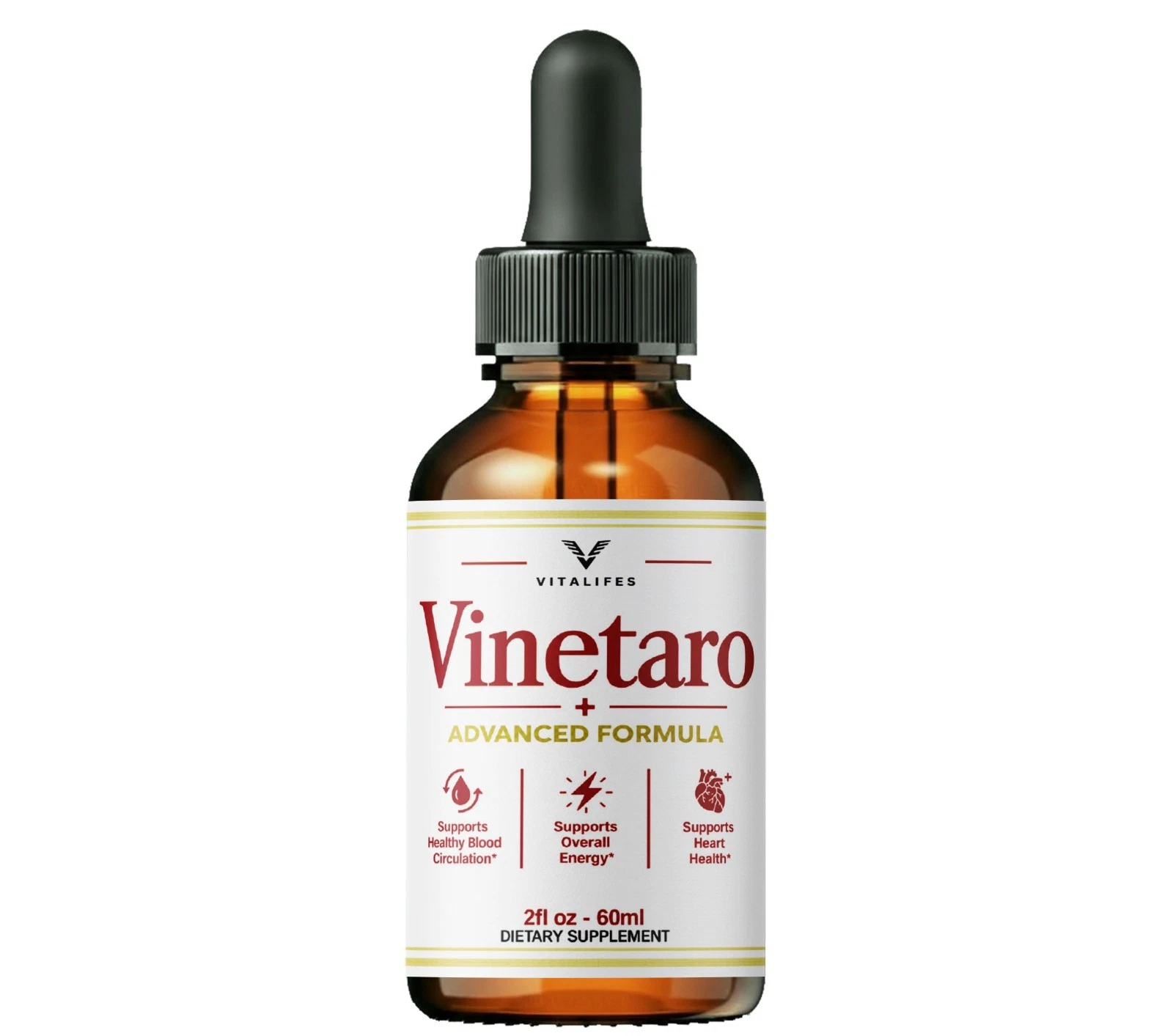
Two drops a day after a meal, 2 fl oz (60 ml) in amber glass, four pack sizes and 60 days from the date of purchase to change your mind.
Price shown at the seller’s checkout · 60-day money-back guarantee
Order Vinetaro Drops On The Official Website2 drops daily after a meal · 2 fl oz (60 ml) a bottle · lot VIN-26/GE-4119
Two ways an ingredient list can fail a reader
It is worth separating two problems that get talked about as though they were one. The first is an ingredient named with no amount attached — which is what gymnema is, on every Vinetaro list that mentions it. The second is an ingredient given an amount that could not possibly be true, given the container it is said to be in — which is closer to what happens when a 200 mg blend is divided across twenty-two names and each one is implicitly credited with a working dose it cannot hold.
A named-with-no-amount ingredient is honestly incomplete: a reader cannot compare it with the trial data, but nobody has claimed a false amount either. A named-at-an-impossible-amount ingredient is worse, because it invites a reader to believe a comparison has already been made in the product’s favour when the arithmetic says the opposite. Gymnema, on the lists that mention it, mostly falls into the first category — which does not make it verified, but does make it a different kind of gap from a number that cannot be true.
- Named, no amount: the reader knows what to look for and cannot check the dose. That describes gymnema on three of four Vinetaro-linked pages.
- Named, an amount that fails basic arithmetic: a 22-way division of 200 mg producing single-digit milligram figures beside gram-scale trial doses. That describes several ingredients on the fullest of the four lists, worked through separately here.
- Not named at all: the state of the bottle actually shipped in this pack, and the reason none of this arithmetic can be applied to it directly.
What would settle it for gymnema specifically
The general list of what would resolve the wider ingredient question is on the missing-panel article: a photograph of a back label, mainly. For gymnema in particular, two narrower facts would move this from a name on other sellers’ pages to a checkable claim about this bottle.
- A stated extract or standardisation. The 2017 and 2021 trials used a specific commercial capsule; a shelf product naming only “gymnema sylvestre leaf” with no extract ratio or marker percentage has told a reader the genus and little else, not the preparation that was actually tested.
- A milligram figure per serving, not per blend. “Contains gymnema sylvestre” inside a 200 mg proprietary blend answers a different question than “300 mg gymnema sylvestre extract” on its own line. Only the second is comparable to anything above.
The JAMA Network Open analysis of FDA supplement warnings is a useful reminder of why this distinction is not academic: it documents products where the printed contents and the tested contents diverged sharply, which is a separate risk from the dose-math problem above but sits on the same shelf. The NCCIH guidance on using dietary supplements wisely covers both risks in plain language and is worth reading once by anyone comparing ingredient lists across sellers the way this article does.
None of this proves the bottle in this pack does or does not contain gymnema sylvestre at any dose. It cannot, because the bottle names no ingredient. What it does is give a reader the one comparison that is available: if gymnema is present anywhere near the amount that produced the results above, it would have to be most of whatever the formula holds, not a fraction of a 200 mg blend shared with twenty-one other names.
References
- Zuñiga LY, González-Ortiz M, Martínez-Abundis E. Effect of Gymnema sylvestre Administration on Metabolic Syndrome, Insulin Sensitivity, and Insulin Secretion. J Med Food. 2017;20(8):750-754. PMID 28459647. https://pubmed.ncbi.nlm.nih.gov/28459647/
- Gaytán Martínez LA, Sánchez-Ruiz LA, Zuñiga LY, González-Ortiz M, Martínez-Abundis E. Effect of Gymnema sylvestre Administration on Glycemic Control, Insulin Secretion, and Insulin Sensitivity in Patients with Impaired Glucose Tolerance. J Med Food. 2021;24(1):28-32. PMID 32460589. https://pubmed.ncbi.nlm.nih.gov/32460589/
- Devangan S, Varghese B, Johny E, Gurram S, Adela R. The effect of Gymnema sylvestre supplementation on glycemic control in type 2 diabetes patients: A systematic review and meta-analysis. Phytother Res. 2021;35(12):6802-6812. PMID 34467577. https://pubmed.ncbi.nlm.nih.gov/34467577/
- Tucker J, Fischer T, Upjohn L, et al. Unapproved pharmaceutical ingredients included in dietary supplements associated with US Food and Drug Administration warnings. JAMA Netw Open. 2018;1(6):e183337. PMID 30646238. https://pubmed.ncbi.nlm.nih.gov/30646238/
- Using Dietary Supplements Wisely. National Center for Complementary and Integrative Health, National Institutes of Health. https://www.nccih.nih.gov/health/using-dietary-supplements-wisely
Order Vinetaro Drops knowing exactly what the label tells you
Two drops a day after a meal, 2 fl oz (60 ml) in amber glass, four pack sizes and 60 days from the date of purchase.
Price shown at the seller’s checkout · 60-day money-back guarantee
Order Vinetaro Drops On The Official Website2 drops daily after a meal · 2 fl oz (60 ml) a bottle · lot VIN-26/GE-4119